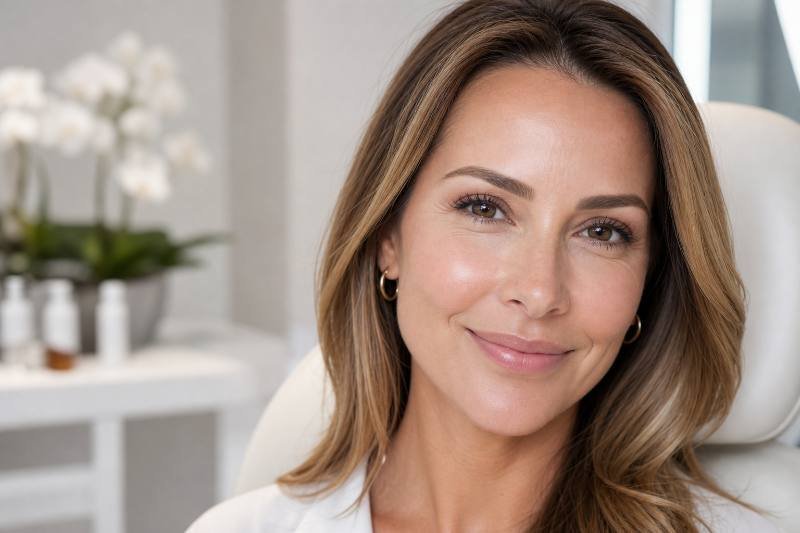
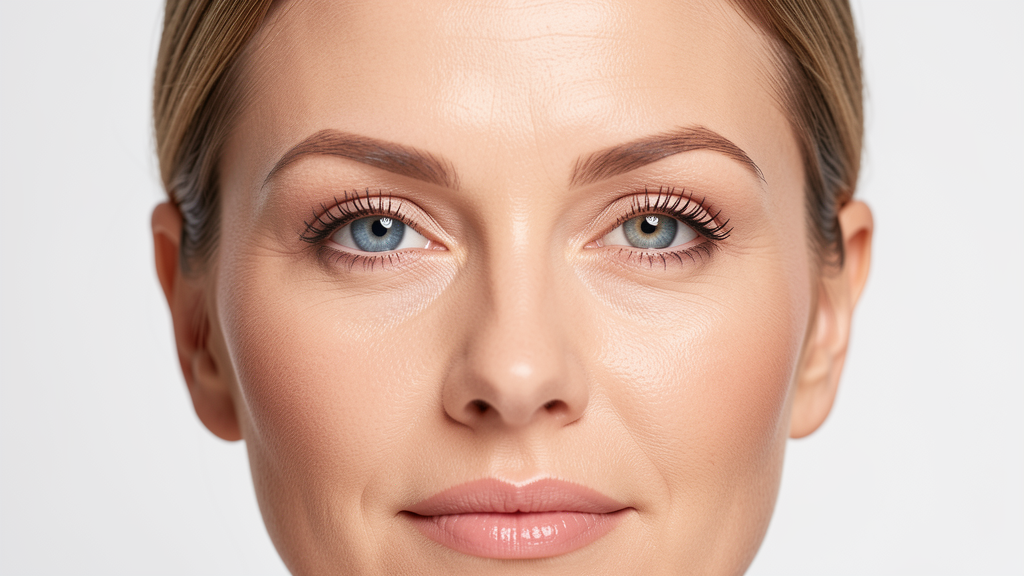
The reflection you see should be a source of confidence, not a reminder of time’s subtle touch. For many, the eyes are the first area to show signs of aging, leading to a tired or less vibrant appearance. If you’re in Weston and seeking to restore a refreshed, youthful look to your eyes, Eyelid Rejuvenation Weston offers a range of powerful solutions.
Thank you for reading this post, don't forget to subscribe!This specialized field of aesthetic medicine focuses on revitalizing the delicate skin and structures around the eyes, helping you reveal brighter, more alert features. In this comprehensive guide, we will explore the ultimate ways to achieve remarkable results, from advanced surgical techniques to innovative non-surgical treatments.
We’ll delve into what these procedures involve, who makes an ideal candidate, and what you can expect on your journey to renewed confidence. Discover how expert care in Weston can transform your gaze, reflecting the vibrant person you truly are.
The eyes are often one of the first areas of the face to show visible signs of aging. Loose upper-eyelid skin, under-eye bags, fine lines, puffiness, and volume loss can create a tired appearance even when you feel rested and energetic. For patients considering Eyelid Rejuvenation Weston, several surgical and nonsurgical approaches may help restore a brighter, smoother, and more refreshed look.
What Causes the Eye Area to Look Tired?
The skin around the eyes is naturally thinner and more delicate than the skin on many other areas of the face. Over time, collagen production decreases, the skin becomes less elastic, and the tissues supporting the eyelids may begin to weaken. Genetics, sun exposure, lifestyle habits, facial anatomy, and the natural aging process can all contribute to changes around the eyes.
Some patients notice excess skin folding over the upper eyelids, while others are more concerned about puffiness or shadows beneath the eyes. Because these concerns may have different causes, an individualized evaluation is essential when planning Eyelid Rejuvenation Weston.
1. Upper Eyelid Surgery for a More Open Appearance
Upper eyelid surgery, also known as upper blepharoplasty, is designed to address excess skin and selected fatty tissue of the upper eyelids. The procedure may help create a smoother eyelid contour and a more open, alert appearance.
Careful surgical planning is important because the goal is not to dramatically change the eyes. Instead, treatment should preserve the patient’s natural anatomy, facial expression, and individual characteristics. For appropriate candidates, upper eyelid surgery may be a central part of an Eyelid Rejuvenation Weston treatment plan.
2. Lower Eyelid Rejuvenation for Bags and Puffiness
Lower eyelid concerns may include prominent fat pads, loose skin, fine wrinkles, or a visible groove between the eyelid and cheek. Lower eyelid surgery may reposition or remove selected fatty tissue and address skin laxity when necessary.
The procedure is customized according to the patient’s eyelid support, skin quality, facial structure, and degree of puffiness. In some cases, improving the transition between the lower eyelid and upper cheek can help the entire midface appear smoother and better rested.
3. Injectable Treatments for Under-Eye Hollowing
Under-eye shadows are not always caused by dark pigmentation. They may result from volume loss or a deep tear-trough groove that creates shadowing beneath the eyes. Carefully selected injectable treatments may soften this transition in certain patients.
The under-eye area is anatomically complex, and filler is not suitable for everyone. Patients with significant bags, swelling, fluid retention, or lower eyelid laxity may require a different approach. A detailed consultation for Eyelid Rejuvenation Weston can help determine whether injectable treatment is appropriate.
4. Skin Treatments for Fine Lines and Texture
Laser resurfacing, chemical peels, microneedling, and selected energy-based treatments may improve fine lines, uneven texture, discoloration, and mild skin laxity around the eyes. These procedures work differently from eyelid surgery because they focus primarily on skin quality rather than removing substantial excess tissue.
Skin treatments may be performed alone or combined with other facial-rejuvenation procedures. The recommended treatment will depend on the patient’s skin type, concerns, medical history, and expected recovery period.
Can Surgical and Nonsurgical Treatments Be Combined?
Yes. Some patients benefit from a combination approach. For example, upper eyelid surgery may address excess skin, while resurfacing may improve fine lines and skin texture. Another patient may benefit from lower eyelid surgery combined with facial fat grafting or another treatment designed to improve surrounding volume.
Combining procedures does not mean that every available treatment is necessary. The best plan for Eyelid Rejuvenation Weston should focus on the specific anatomical factors contributing to the patient’s concerns.
Who May Be a Candidate?
Candidates may include adults who are concerned about drooping upper-eyelid skin, persistent under-eye bags, wrinkles, hollowing, or an overall tired appearance. Patients should be in generally good health, have realistic expectations, and understand the possible risks and recovery associated with their recommended procedure.
Certain eye conditions, medical concerns, medications, and previous procedures may affect candidacy. A complete medical history and physical examination are therefore important before undergoing Eyelid Rejuvenation Weston.
What to Expect During a Consultation
During a consultation, the upper and lower eyelids, brow position, skin quality, facial volume, and eyelid support may be evaluated. Patients should clearly explain which features concern them and what type of improvement they hope to achieve.
The consultation is also an opportunity to discuss surgical versus nonsurgical options, incision placement, anesthesia, recovery, potential risks, expected longevity, and realistic outcomes. Reviewing before-and-after photographs of patients with similar concerns may also help establish appropriate expectations.
Recovery After Eyelid Surgery
Recovery varies depending on whether the upper eyelids, lower eyelids, or both areas are treated. Temporary swelling, bruising, tightness, dryness, and sensitivity may occur during the early healing period. Patients may receive instructions regarding cold compresses, head elevation, activity restrictions, eye care, and follow-up appointments.
Most visible swelling and bruising gradually improve, but subtle healing can continue beyond the initial recovery period. Following postoperative instructions carefully is an important part of achieving a safe and satisfactory outcome.
How Long Do Results Last?
Surgical eyelid rejuvenation can provide long-lasting improvement, although it cannot stop the natural aging process. Skin quality, genetics, sun exposure, lifestyle habits, and changes in facial volume may influence how the eye area changes over time.
Nonsurgical treatments generally offer temporary results and may require maintenance. Consistent sun protection, appropriate skincare, healthy habits, and regular professional evaluation may help support the longevity of the results.
Reveal Brighter, More Refreshed Eyes
The most effective eye-rejuvenation plan is one that addresses the true cause of the patient’s concerns while maintaining natural facial balance. Whether the recommended approach involves surgery, injectables, skin resurfacing, or a thoughtful combination, Eyelid Rejuvenation Weston should be personalized to the individual patient rather than based on a one-size-fits-all treatment.
A private consultation provides the opportunity to explore available options, understand the recovery process, and create a plan designed to achieve a refreshed appearance without looking overdone. Patients interested in Eyelid Rejuvenation Weston can begin by scheduling a comprehensive facial and eyelid evaluation.
This content is intended for general educational purposes only and is not a substitute for professional medical advice, diagnosis, or treatment. Procedures, recovery, candidacy, risks, and results vary by patient.
Ready for Brighter, More Youthful Eyes?
If you’re considering Eyelid Rejuvenation in Weston, our experienced team at The Face Doctor of Florida is here to guide you. Explore our full range of facial rejuvenation services and discover how we can help you achieve your aesthetic goals. Learn more about our Facial Rejuvenation options in Weston and schedule your consultation today.
Eyelid Rejuvenation Weston
Explore common questions about eyelid rejuvenation, treatment options, recovery, candidacy, and ways to achieve a brighter, more refreshed eye area.
1. What is eyelid rejuvenation?
Eyelid rejuvenation refers to surgical and nonsurgical treatments designed to improve the appearance of the upper eyelids, lower eyelids, and surrounding eye area. Depending on the patient’s concerns, treatment may address loose skin, under-eye bags, puffiness, wrinkles, volume loss, or a tired-looking appearance.
2. What are the four main ways to rejuvenate the eyes?
Four commonly considered approaches include upper eyelid surgery, lower eyelid surgery, injectable treatments, and skin-resurfacing or energy-based procedures. The most appropriate option depends on whether the primary concern involves excess skin, under-eye bags, wrinkles, hollowing, pigmentation, or a combination of concerns.
3. What is upper eyelid blepharoplasty?
Upper eyelid blepharoplasty is a surgical procedure that removes or repositions selected excess skin and, when appropriate, fatty tissue from the upper eyelids. The goal is to create a smoother, more open, and refreshed appearance while preserving the patient’s natural eye shape and facial character.
4. How does lower eyelid surgery improve under-eye bags?
Lower eyelid surgery may reduce prominent under-eye bags by removing or repositioning fat and addressing loose skin when necessary. In some cases, the treatment can also improve the transition between the lower eyelid and upper cheek for a smoother, less fatigued appearance.
5. Can eyelid rejuvenation be performed without surgery?
Yes. Nonsurgical eyelid rejuvenation may include carefully selected injectable treatments, laser resurfacing, chemical peels, microneedling, or other energy-based procedures. These options may help improve fine lines, skin texture, discoloration, or mild volume loss, but they do not remove significant excess eyelid skin.
6. Can dermal fillers improve under-eye hollows?
In carefully selected patients, dermal fillers may soften the appearance of under-eye hollows or tear troughs. The eye area requires precise evaluation because filler is not suitable for every patient, particularly when significant puffiness, fluid retention, or lower eyelid laxity is present.
7. Who is a good candidate for Eyelid Rejuvenation Weston?
A potential candidate may be bothered by drooping upper eyelid skin, persistent under-eye bags, fine lines, hollowing, or an appearance that looks more tired than they feel. Good candidates are generally healthy, have realistic expectations, and complete a personalized consultation to determine which treatment is appropriate.
8. How do I know whether I need surgery or a nonsurgical treatment?
Surgery is generally more effective for significant loose skin, prominent fat pads, or structural eyelid concerns. Nonsurgical treatments may be appropriate for mild wrinkles, pigmentation, texture changes, or selected areas of volume loss. An in-person examination is essential because several different concerns can create a similar tired-eye appearance.
9. What is recovery like after eyelid surgery?
Swelling, bruising, tightness, dryness, and temporary sensitivity may occur during the early recovery period. Many patients gradually return to social and professional activities as these effects improve. Recovery timelines vary according to the procedure, the patient’s healing response, and the surgeon’s postoperative instructions.
10. Will eyelid rejuvenation change the natural shape of my eyes?
A thoughtfully planned procedure is intended to refresh the eye area without creating an unnatural or overcorrected appearance. The treatment plan should respect the patient’s anatomy, eyelid support, facial proportions, ethnic characteristics, and individual goals.
11. How long can eyelid rejuvenation results last?
Surgical eyelid rejuvenation can provide long-lasting improvement, although the natural aging process continues. Nonsurgical results are typically temporary and may require maintenance treatments. Sun protection, appropriate skincare, healthy habits, and regular follow-up may help preserve the refreshed appearance.
12. What should I ask during an Eyelid Rejuvenation Weston consultation?
Ask which anatomical concerns are contributing to your appearance, whether surgery or a nonsurgical option is more appropriate, where treatment will be performed, what recovery may involve, and what risks should be considered. You may also request before-and-after photographs of patients with similar concerns and discuss the type of outcome that would look natural for your face.
Discover the Right Approach for Brighter, Refreshed Eyes
Schedule a private consultation to explore a treatment plan based on your anatomy, concerns, and aesthetic goals.
This information is provided for educational purposes and does not replace a medical consultation. Treatment recommendations, risks, recovery, and results vary by patient.
Learn more from authoritative resources: Consumer Reports and HGTV.